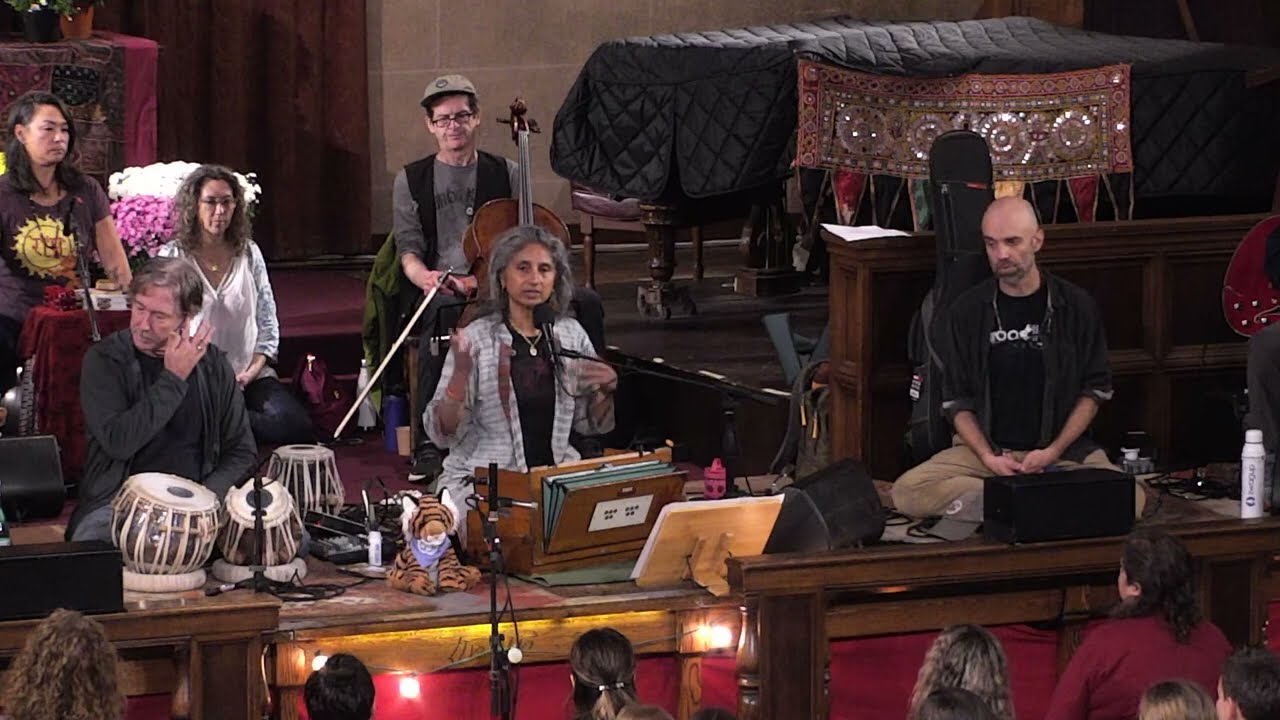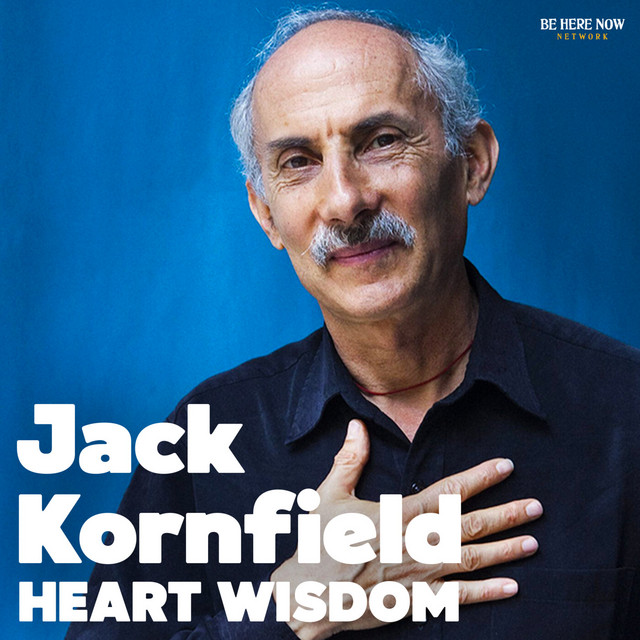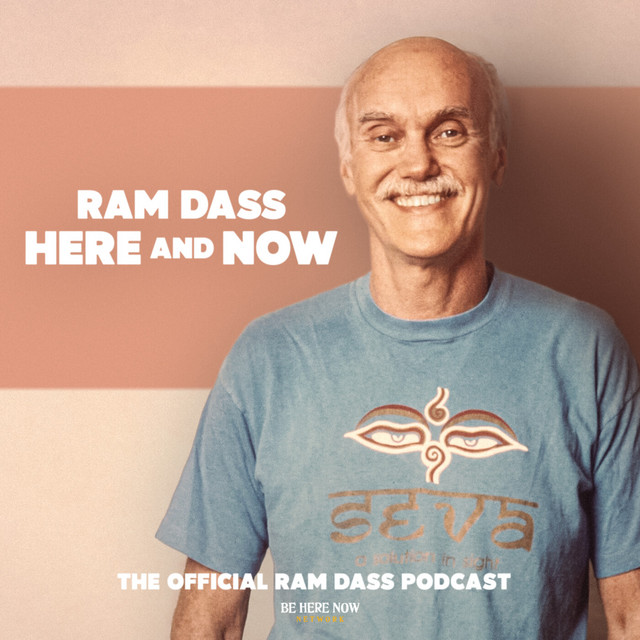
On June 7th, 2025, a rare full-day benefit event in New York City will gather kirtan artist Krishna Das, dharma teachers, and early Western devotees to honor the legacy of Ram Dass and his guru Neem Karoli Baba. The day includes stories and teachings from Krishna Das, Mirabai Bush, Daniel Goleman, and others; a deep exploration of the Ramayana with Nina Rao; the premiere of the documentary Bridge of Grace; and evening kirtan with Krishna Das and his band. Proceeds benefit The Love Serve Remember Foundation (LSRF), which preserves and continues the teachings of Neem Karoli Baba and Ram Dass.
What Is This Ram Dass Legacy Benefit Event?
The June 7th event at Church of St Paul and St Andrew on New York's Upper West Side represents a rare gathering of teachers and practitioners connected to one of Western spirituality's most influential figures. Ram Dass, who died in 2019 at age 89, brought bhakti (devotional) practice, Hindu philosophy, and the teachings of Neem Karoli Baba (Maharajji) to a generation of Western seekers beginning in the 1960s. This all-day benefit honors that lineage through teaching, storytelling, chanting, and film.
The event's structure creates a multi-layered approach to engaging with these teachings. Rather than a single lecture or performance, the day moves through different entry points: personal narrative, scriptural study, documentary testimony, and direct devotional practice. This mirrors Ram Dass's own teaching style, which blended intellectual understanding, heart-centered transmission, and the transformative power of sacred sound.
Who Will Teach and Share at This Event?
The morning and afternoon sessions convene a lineage of teachers and practitioners who either studied with Ram Dass directly or represent the continuation of his work. Krishna Das, one of the most well-known kirtan artists in the West, brings four decades of practice and teaching rooted in his own guru, Neem Karoli Baba. Mirabai Bush, a longtime meditation and social change facilitator, worked closely with Ram Dass in founding the prison mindfulness program and has taught meditation widely. Daniel Goleman, the psychologist and science journalist, co-authored Altered Traits with meditation teacher Richard Davidson, exploring the neuroscience of contemplative practice—a synthesis of the rigorous Western inquiry and Eastern wisdom that Ram Dass himself embodied.
Raghu Markus, Rameshwar Das, Anasuya Wiel, and Parvati Markus—names that appear less frequently in popular discourse—represent a crucial bridge: the early Western devotees who spent direct time with Ram Dass and Maharajji. Their presence and stories anchor the event in lived experience and direct transmission. These are not abstract philosophers but practitioners who made the journey to India, lived in ashrams, and carried those teachings back to the West.
What Role Does the Ramayana and Hanuman Chalisa Play?
Nina Rao, a scholar and kirtan artist, leads a dedicated afternoon session on the Ramayana and the chanting of the Hanuman Chalisa. The Ramayana is not merely a story in Hindu and yogic traditions—it functions as a spiritual teaching in narrative form, exploring dharma (duty and righteousness), devotion, renunciation, and the nature of the divine incarnation. The Hanuman Chalisa, a 40-verse devotional poem in praise of Hanuman (the monkey devotee of Rama), is one of the most widely chanted texts in bhakti practice and was central to Neem Karoli Baba's own daily practice.
For Western practitioners, these texts may be unfamiliar. Yet they are not historical artifacts but living teachings. Ram Dass spent years studying the Ramayana with his guru and later taught it extensively. Rao's exploration of the Ramayana and guided chanting of the Hanuman Chalisa during the event serves multiple functions: it transmits the text itself, creates a direct container for devotional practice, and anchors participants in a tradition that Maharajji and Ram Dass held sacred.
What Is the Bridge of Grace Documentary?
The evening premiere of Bridge of Grace provides visual and personal testimony to the connection between Ram Dass, Maharajji, and the Western devotees who served them. Documentary cinema, when done with care, can convey what intellectual explanation cannot: the felt presence and impact of transmission between teacher and student. The film's screening at this benefit suggests it both documents and honors the lineage—serving as a record and as an initiatory experience for participants.
How Does Krishna Das Kirtan Conclude the Day?
The day culminates with evening kirtan—call-and-response devotional chanting—led by Krishna Das and his band. Kirtan is not concert performance, though it has musicality and aesthetic beauty. It is a practice: a systematic engagement of body, breath, voice, and heart in the repetition and invocation of sacred names and syllables. In Krishna Das's hands, kirtan becomes a container for collective devotional feeling and individual surrender. The practice is rooted in the principle that chanting the names of God (whether Rama, Krishna, Hanuman, or other divine forms) directly transforms consciousness and opens the heart.
That kirtan comes at day's end is significant. Participants will have listened to stories, studied scripture, eaten together, and witnessed testimony. By evening, the ground will be prepared—intellectually and emotionally—for the direct transmission that happens through sound and collective practice.
Why Does This Event Benefit The Love Serve Remember Foundation?
The Love Serve Remember Foundation (LSRF) was established to preserve and continue the teachings of Neem Karoli Baba and Ram Dass. Maharajji died in 1973 without leaving formal students or institutions to carry his work in the traditional sense. Ram Dass, however, spent decades teaching, writing, and organizing retreats to share what he had learned. After his death, the LSRF took on the responsibility of archiving teachings, supporting teachers in the lineage, and creating spaces where the dharma continues to be transmitted.
Benefit events like this one serve dual purposes: they gather the sangha (spiritual community), offer direct access to teachers, and generate resources for the foundation's work. This economics of care—where spiritual community sustains itself through voluntary participation and shared resources—reflects Ram Dass's teaching on karma yoga, the yoga of selfless service.
Who Should Attend This Event?
The event is structured to welcome different levels of familiarity. Those new to these teachings can attend for the documentary, the teaching stories, and the introduction to the Ramayana. Those with established practice in bhakti, kirtan, or meditation will find depth and community. Those who knew Ram Dass or Maharajji or studied with them directly will find reunion and remembrance. The all-day format, with a dinner break, allows people to stay for part or all of the gathering.
Where to Go from Here
Tickets for the June 7th event at Church of St Paul and St Andrew (1:30 PM – 10:30 PM) are available through Bright Star Events. Attendees might prepare by familiarizing themselves with Ram Dass's work: his classic books Be Here Now and The Only Dance There Is offer entry points to his teaching. Those interested in kirtan and bhakti practice can explore Krishna Das's music and teaching resources. For deeper engagement with the Ramayana, Nina Rao's scholarship and recordings provide accessible entry. And for those drawn to the intersection of neuroscience and contemplative practice, Daniel Goleman's Altered Traits bridges worlds. The event itself will serve as an introduction and initiation for many; what matters is showing up with an open heart.